
-
- ENGLISH
- TÜRKÇE
Places to See in and Around Fatih | Carvan Hotel
-
Places to visit
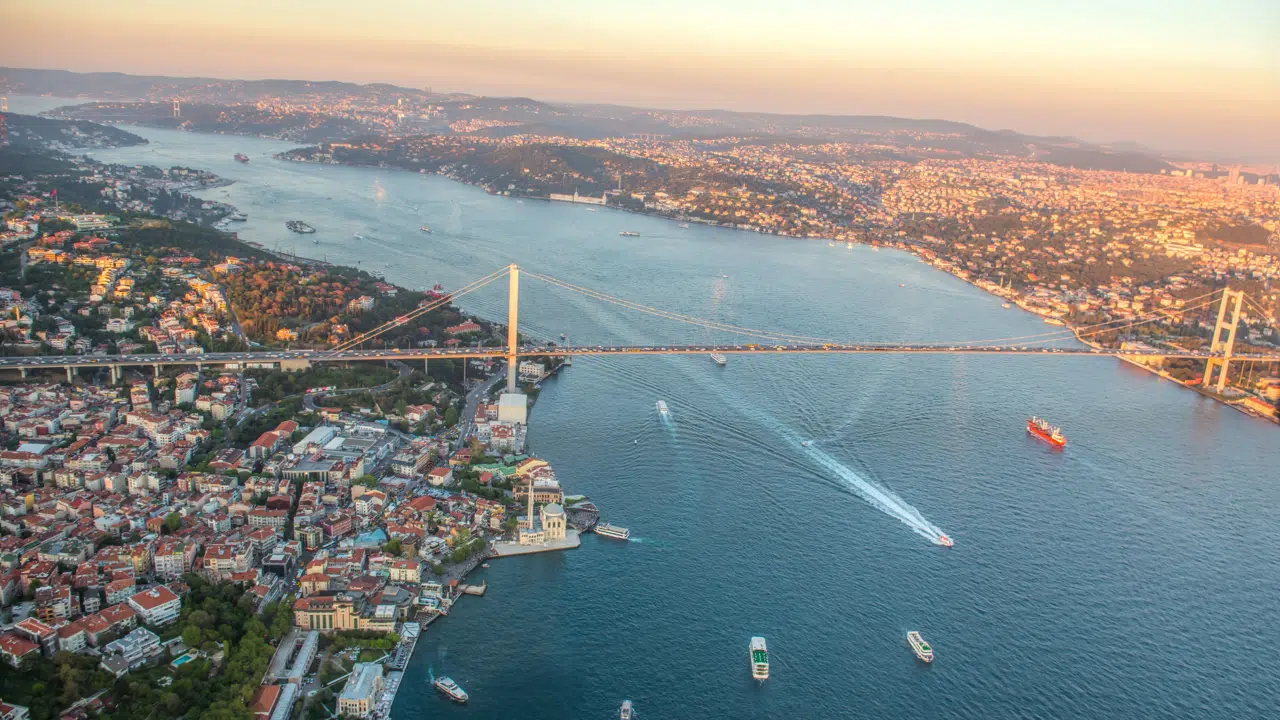
7th century BC. The Historical Peninsula, which is the oldest settlement of Istanbul founded in the century, is surrounded by the Golden Horn, the Bosphorus and the Marmara Sea. The Historical Peninsula, which was included in the UNESCO World Heritage List in 1985, is undoubtedly the pupil of Istanbul with its numerous historical monuments.
The capital of empires
The region, known as Suriçi because it is surrounded by walls dating from the Historical Peninsula or Byzantine period, is one of the first frequented points of local and foreign tourists coming to Istanbul. Numerous palaces, mosques, churches, fountains, obelisks and residences dating from the Byzantine and Ottoman periods constitute the historical fabric of this place. In 1985, it was included in the UNESCO World Heritage List with four regions: Sultanahmet Urban Archaeological Site, which includes the Hippodrome, Hagia Sophia, Little Hagia Sophia Mosque and Topkapi Palace; Suleymaniye Mosque and its surroundings; Zeyrek Conservation Area, which includes the Zeyrek Mosque and its surroundings; and the Istanbul Land Walls Protection Area.
The history of the Historical Peninsula
The first known historical find related to the Historical Peninsula belongs to the Neolithic period. During the Neolithic period, people moved from hunter-gatherer to agricultural production, domesticated plants and animals. The history of the region dates back to 8500 years during the archaeological excavations conducted in Sarayburnu and Sultanahmet Square. The first settlers in the region (Sarayburnu) are those who came from the ancient Greek city of Megara. The Megarans have established a city-state here, which they call Byzantium.
These lands, which unite the Asian and European continents and have strategic and socio-economic importance, have always been considered valuable by their owners.
After the invasion of the Romans in 196 BC, the Roman Emperor I. Constantine made Byzantium the capital of his country and used the name Constantinople, which means the City of Constantine.
- until the century, it was the richest city in the world and the most important trade center with the Port of Theodousius in the south. (Archaeological findings were found during the construction of Üsküdar, Sirkeci and Yenikapı stations within the scope of the Marmaray and metro projects; Theodousius Port was brought to light in Yenikapı during the archaeological excavations conducted by the Istanbul Archaeological Museums Directorate.)
after the conquest of Istanbul by Fatih Sultan Mehmet in 1453, the city became the capital of the Ottoman Empire. Fatih Sultan Mehmet conquered a ruined city. First of all, he started zoning activities in the city. The construction of Topkapi Palace (Topkapi Palace has been the administrative center of the state and the palace where the Ottoman sultans lived for 380 years), the Sahn Seman Madrasas that form the foundations of Istanbul University, the repair of waterways and walls left over from the Byzantine period, the construction of the Grand Bazaar took place during his reign.
Many innovations have been realized in the historical Peninsula from architecture to lifestyle to educational institutions during the Tulip Period and the Tanzimat period.
Road routes and important artifacts of the historical Peninsula
Eminönü, Sirkeci and its surroundings: Basket Makers' Pavilion, Mısır Bazaar, Eminönü Square.
Topkapi Palace and its surroundings: Gülhane Park, Istanbul Archaeological Museum, Hagia Irene Church, Tiled Pavilion, Sultan III. Ahmet Fountain, Soğukçeşme Street, Hagia Sophia.
Blue Mosque and surroundings: Sultanahmet Square, Knitted Obelisk, Burmese (Snake) Column, Obelisk, Hagia Sophia Museum, German Fountain, Basilica Cistern, Ibrahim Pasha Palace (Museum of Turkish and Islamic Works), Mosaic Museum.
From Divan Yolu to Beyazit: Divan Yolu, Çemberlitaş, Cağaloğlu.Beyazit, Grand Bazaar and its surroundings (Beyazit, Laleli and Aksaray): Grand Bazaar, Istanbul University, Beyazit Square, Turkish Calligraphy Museum, Beyazit Tower, Beyazit Mosque, Sahaflar Bazaar.
Fatih, Edirnekapı, Topkapı and Yedikule: Suleymaniye Mosque, Fatih Mosque, Samatya, Kariye Museum, Şehzade Mosque, Yedikule, Kalenderhane Mosque, Tekfur Palace, city walls. Between Sarayburnu coastal road and Yeşilköy: Cankurtaran, Kumkap Dec, Yeşilköy, Küçük Hagia Sophia, Kadırga, Surp Vorvots Vorodman Church, Sokullu Mehmet Paşa Mosque, Armenian Patriarchate, Yenikapı, Bakırköy.